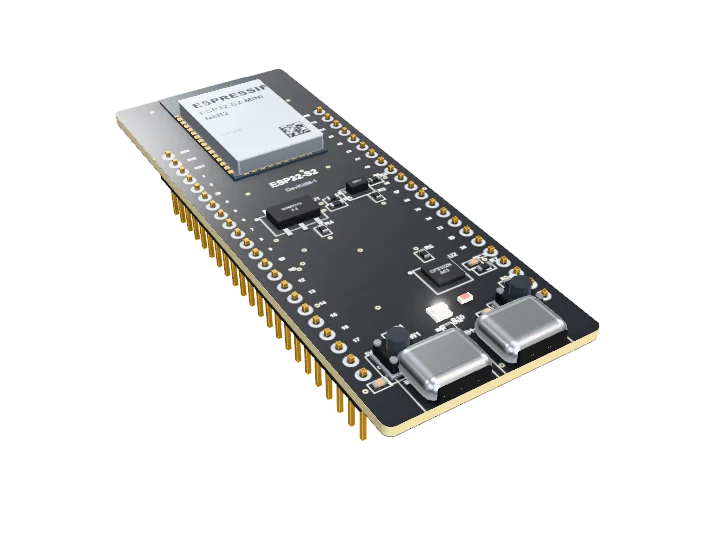
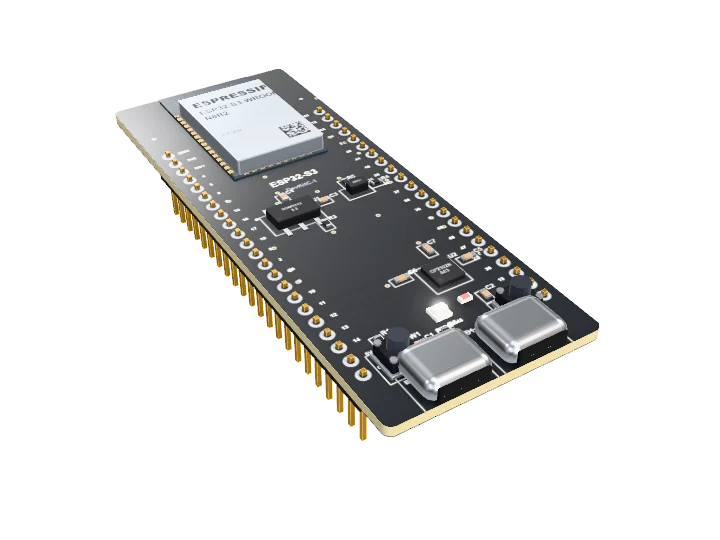
ESP32 DevKit V1 simulator
Simulate the ESP32 DevKit V1 (ESP32, 240 MHz) online: Arduino IDE, ESP-IDF projects with parts on a bench, free in your browser. It runs on the Lab's virtual board (labelled Lab virtual); ESP32 sketches can also run their real firmware in Espressif's QEMU, with the serial port and output pins.
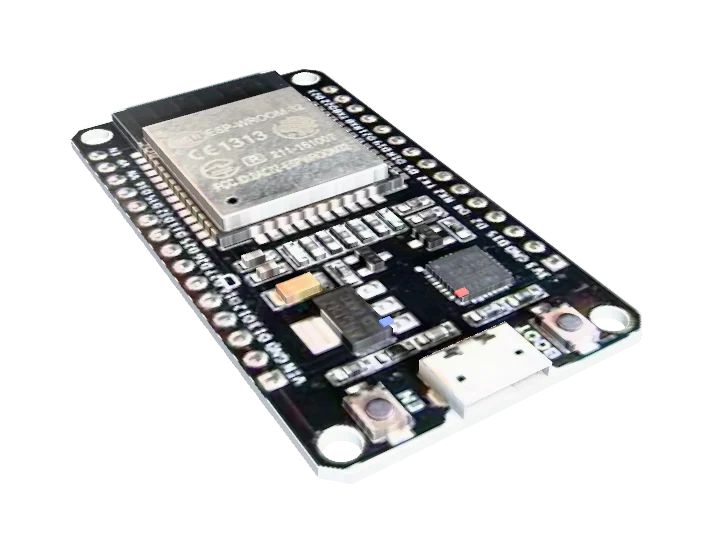
3D model: ESP32 by Davyd Tovstyj, CC BY 4.0, fitted to the part by Argynix Lab. All credits
- Chip
- ESP32
- Clock
- 240 MHz
- Family
- ESP32
- Write it in
- Arduino IDE, ESP-IDF
- Runs on
- the Lab's virtual board (labelled Lab virtual); ESP32 sketches can also run their real firmware in Espressif's QEMU, with the serial port and output pins
- Wi-Fi
- Wi-Fi 4
- Bluetooth
- Bluetooth 4.2 + BLE (not simulated)
Examples on the ESP32 DevKit V1
Each opens on the bench as it is, ready to run.
Two ESP32s over ESP-NOW
ESP32 1 sends its button over ESP-NOW to every board (FF:FF:FF:FF:FF:FF); ESP32 2 lights its LED while it is held. Each board prints its own MAC: to send to one board, put its MAC in the sender (or set the receiver’s MAC in its settings).
Two ESP32s over Bluetooth LE
ESP32 1 is a BLE server with a knob, notified to whoever subscribes; ESP32 2 scans for its service, connects, subscribes, and dims its LED to the knob. The bench’s phone can connect to ESP32 1 too.
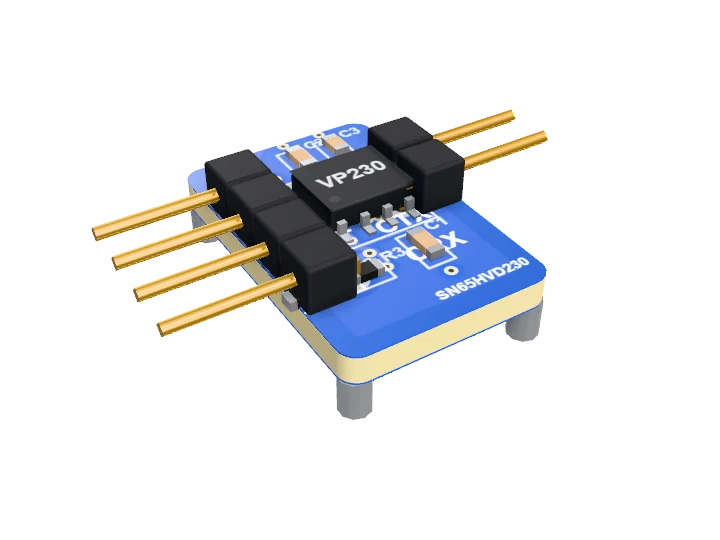
ESP32 TWAI and Uno MCP2515 on CAN
The ESP32’s own CAN controller (TWAI, driver/twai.h) through an SN65HVD230 transceiver, and an Uno with an MCP2515, on one pair at 500 kbit/s. The ESP32 sends its knob; the Uno dims its LED to it and answers how many it has had.
ESP32: blink and fade
The blue LED on GPIO 2 blinks; an LED on GPIO 4 fades with LEDC PWM.
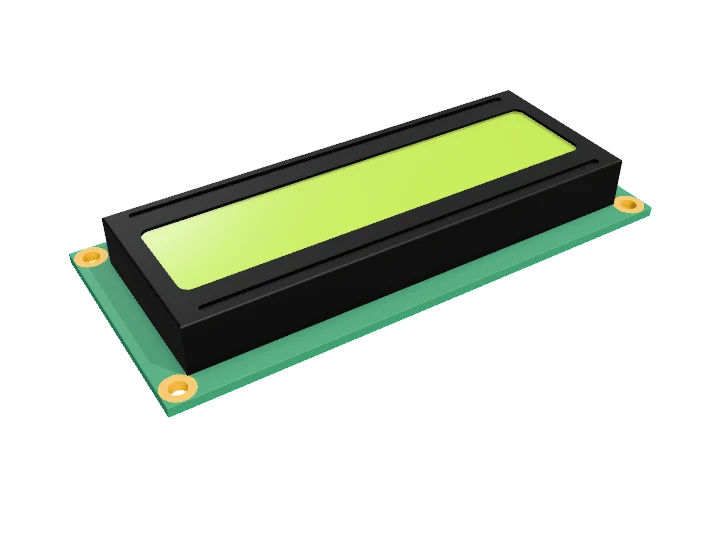
ESP32: weather to the cloud
Wi-Fi, a DHT22 and an I2C LCD; readings to ARGYNIX Cloud, its LED switched from Connect.
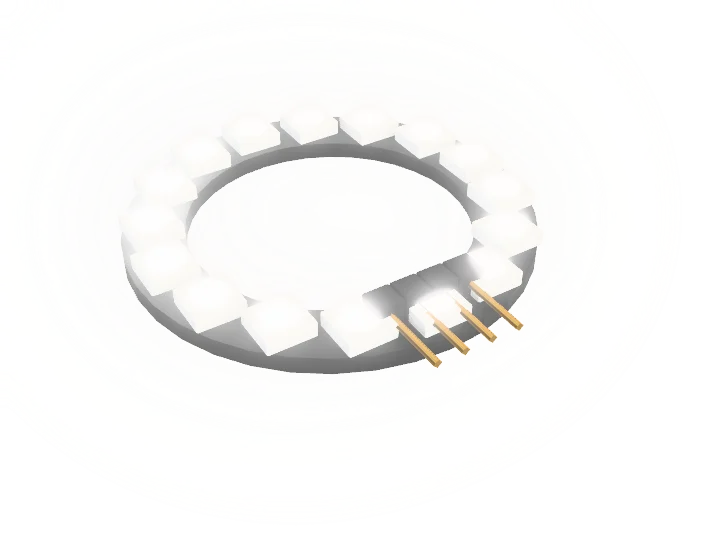
ESP32: NeoPixel rainbow
A 16-pixel ring on GPIO 5 runs a rainbow with Adafruit_NeoPixel.
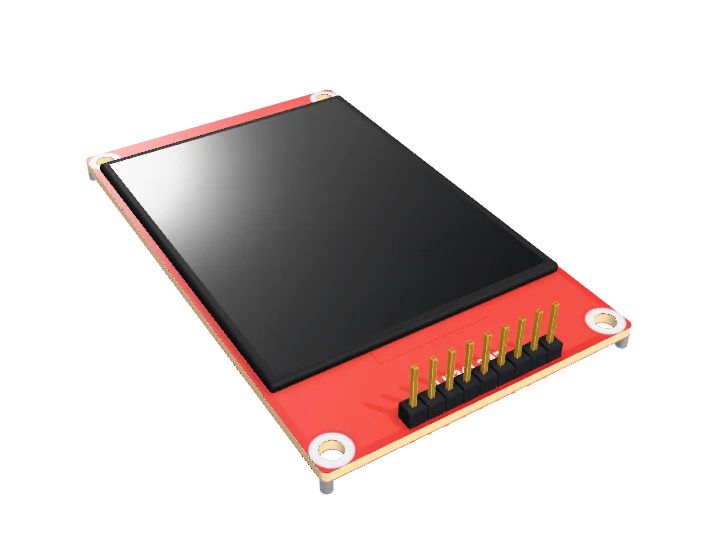
Colour TFT (ILI9341)
Adafruit_ILI9341 on the ESP32’s SPI: a title, a counter and a bar that grows.
Web switch on a hotspot
The ESP32 starts its own Wi-Fi (softAP) and serves a page with ON and OFF buttons for an LED. Join it from the phone.
Live sensor page
ESPAsyncWebServer on the Lab’s network: weather.local shows the knob’s reading, fetched every second by the page.
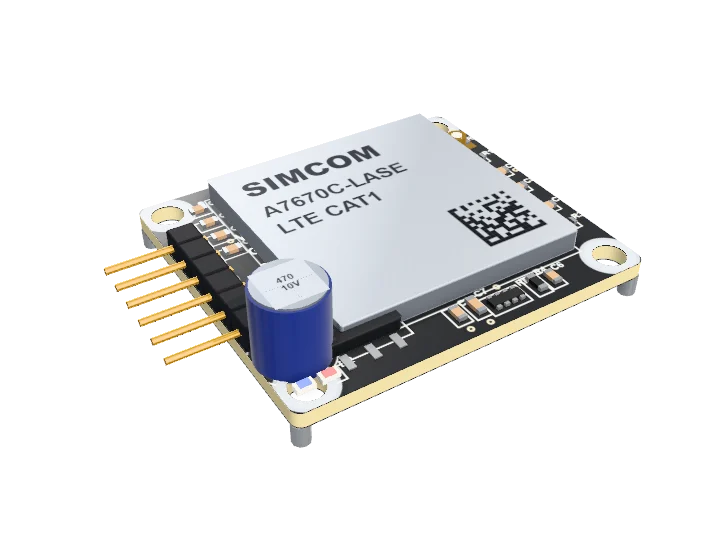
4G HTTP with AT commands (A7670C)
An ESP32 brings up 4G data on an A7670C and fetches a page with the module's own HTTP commands.
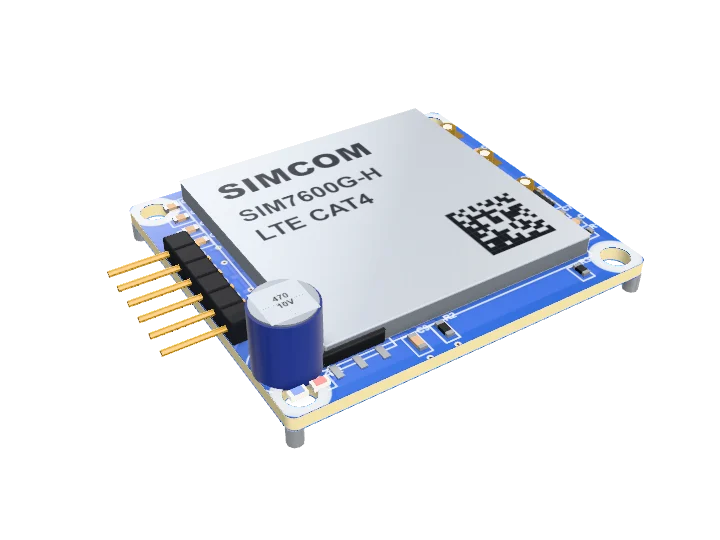
TinyGSM web client (SIM7600G-H)
TinyGSM and ArduinoHttpClient on an ESP32 with a SIM7600G-H: registered, data up, a JSON page fetched.
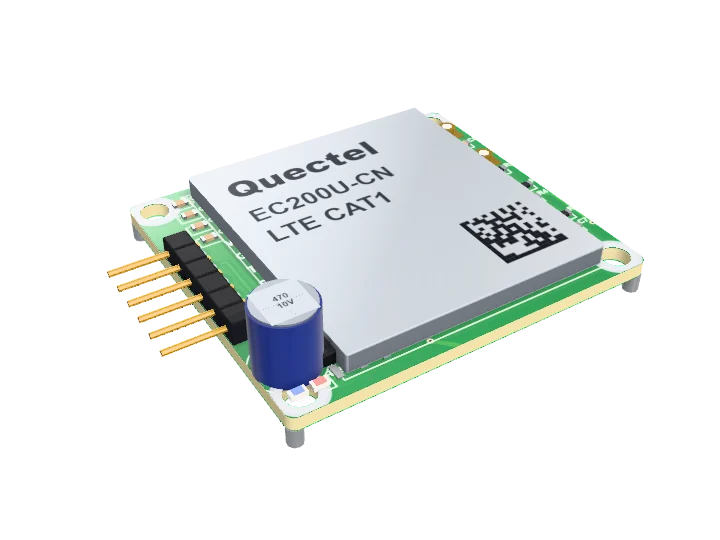
4G MQTT (EC200U)
Quectel EC200U on an ESP32: data up, then the module's own MQTT commands publish a reading and listen for commands.
Bluetooth LED switch (ESP32)
Pair the phone with ESP32_LED (its Bluetooth app) and send 1 or 0: the LED follows and the board answers.
BLE thermometer (ESP32)
A BLE server: the DHT22’s temperature as a characteristic the phone reads and follows, and a second one it writes "on" or "off" to for the LED.
ESP-IDF: button interrupt and a queue
An interrupt handler feeds a FreeRTOS queue; a task counts the presses and toggles GPIO2.