ESP-IDF simulator: app_main() and FreeRTOS in your browser
Argynix Lab runs ESP-IDF projects in your browser. Write main.c with app_main(), add your own .c and .h files, and the Lab builds them against the ESP-IDF components it simulates, then runs them on an ESP32 DevKit on the bench.
FreeRTOS tasks, queues, semaphores, event groups and software timers run with time slicing, and a stack overflow is caught. GPIO with interrupts, LEDC, the ADC, I2C, NVS, the LED strip driver and Wi-Fi drive the parts on the bench. The library list says which components are simulated, partly simulated or not yet.
Boards (18)
Each says whether it runs the exact chip or the Lab's virtual board.
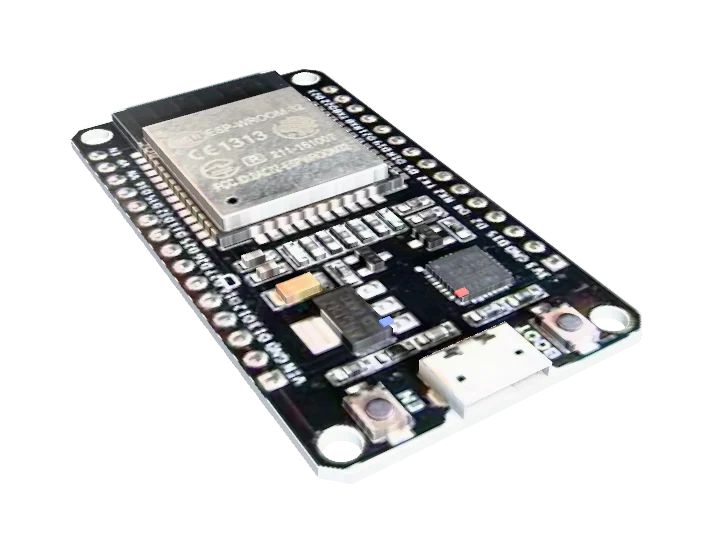
ESP32 DevKit V1
ESP32 · 240 MHz
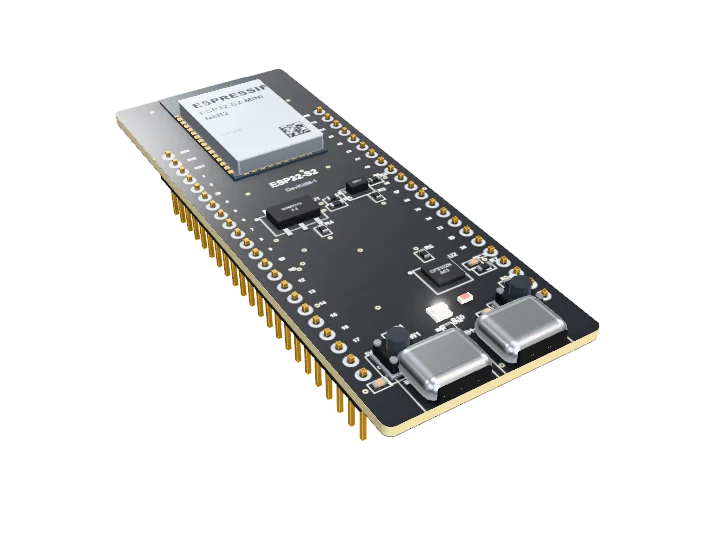
ESP32-S2 DevKitM-1
ESP32-S2 · 240 MHz
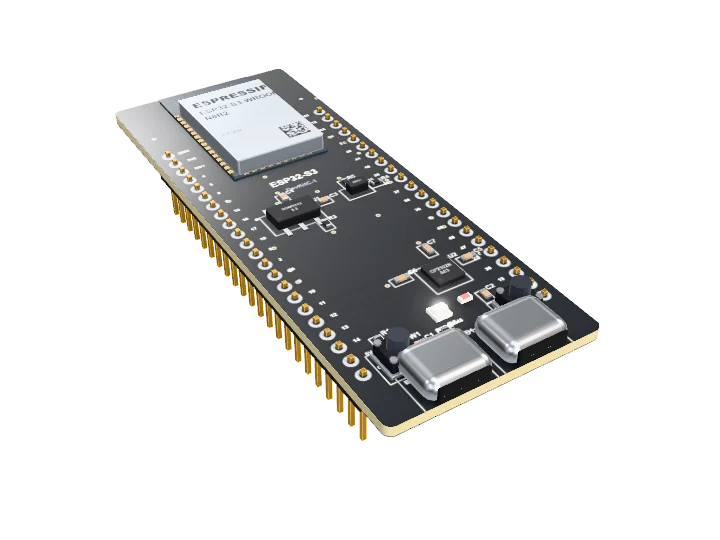
ESP32-S3 DevKitC-1
ESP32-S3 · 240 MHz
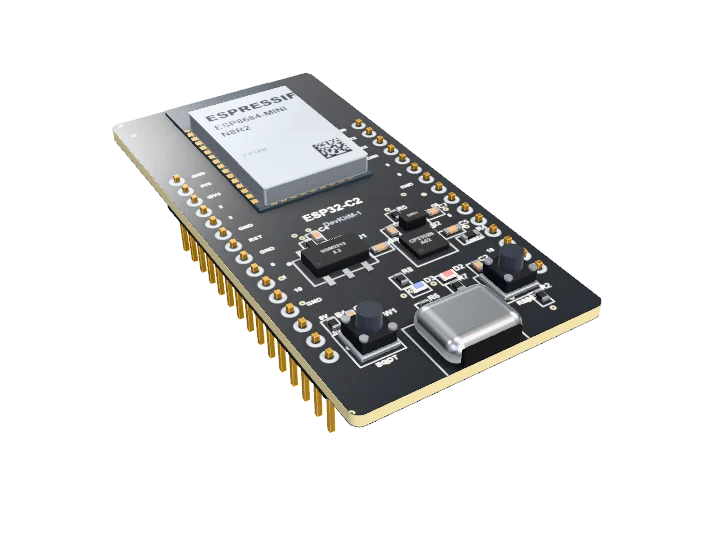
ESP32-C2 DevKitM-1
ESP32-C2 (ESP8684) · 120 MHz
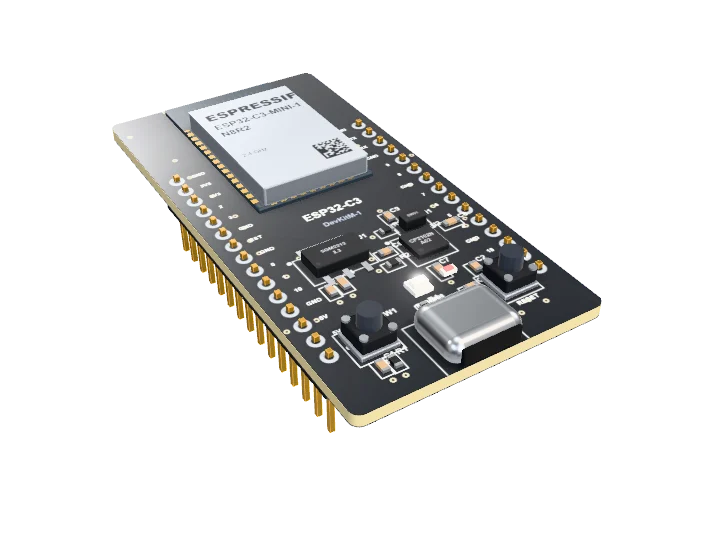
ESP32-C3 DevKitM-1
ESP32-C3 · 160 MHz
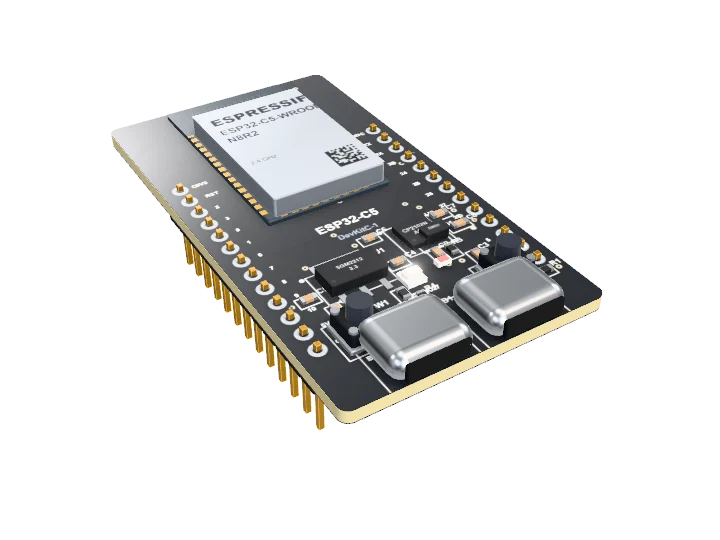
ESP32-C5 DevKitC-1
ESP32-C5 · 240 MHz
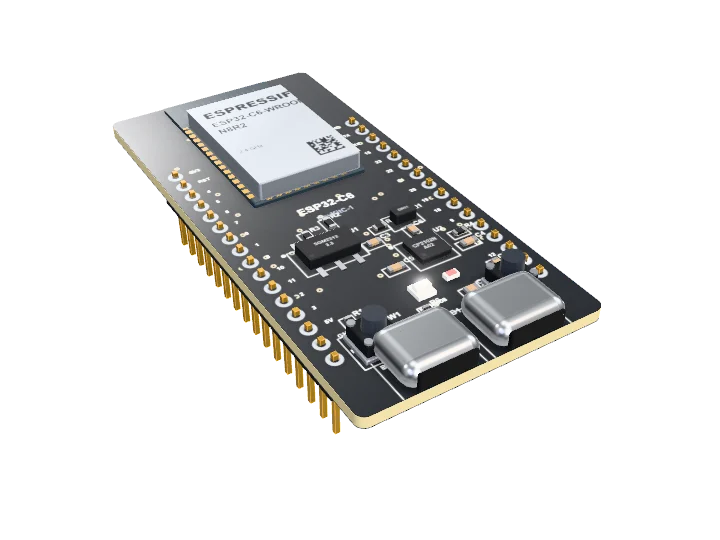
ESP32-C6 DevKitC-1
ESP32-C6 · 160 MHz
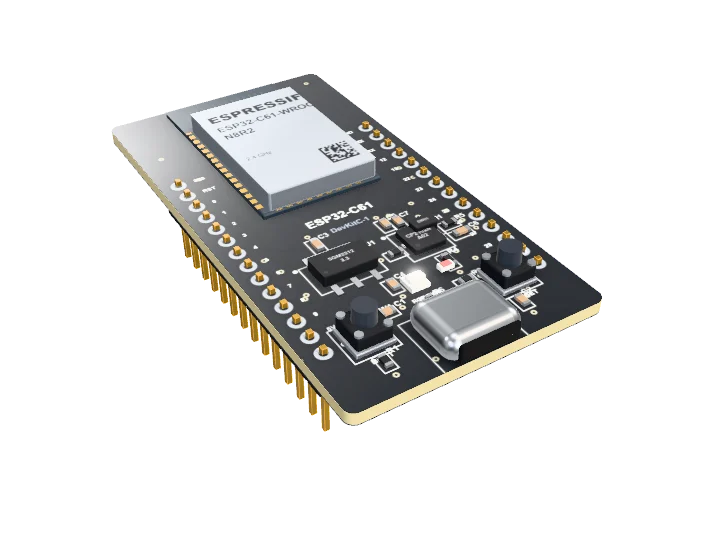
ESP32-C61 DevKitC-1
ESP32-C61 · 160 MHz
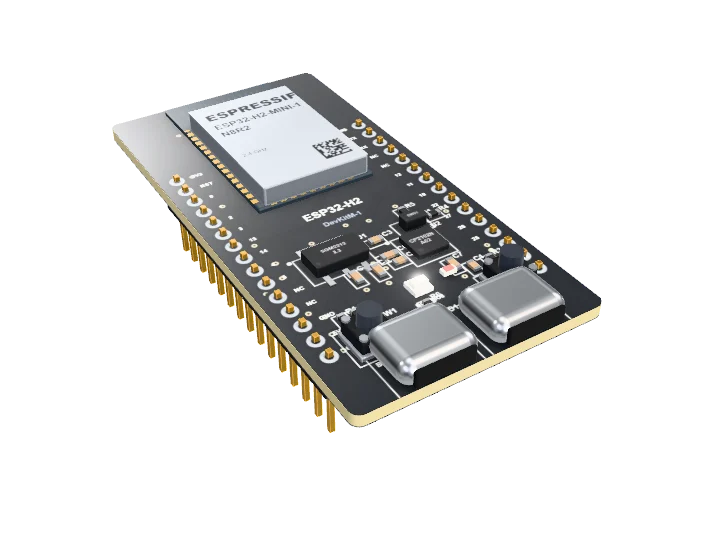
ESP32-H2 DevKitM-1
ESP32-H2 · 96 MHz
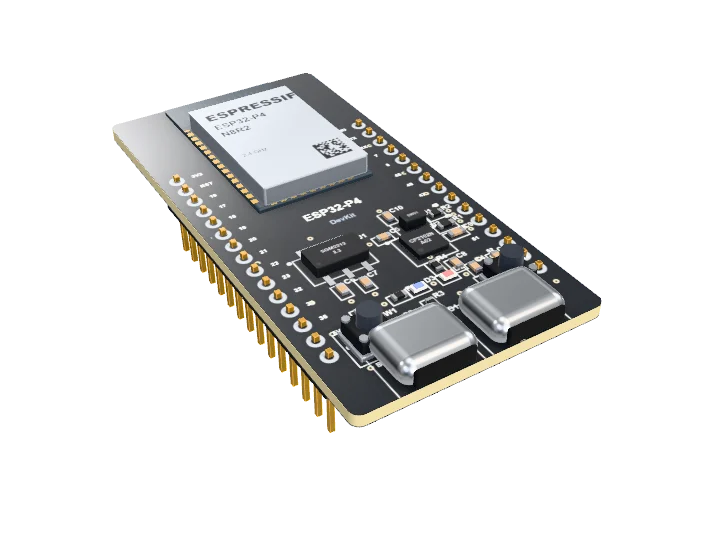
ESP32-P4 DevKit
ESP32-P4 · 360 MHz
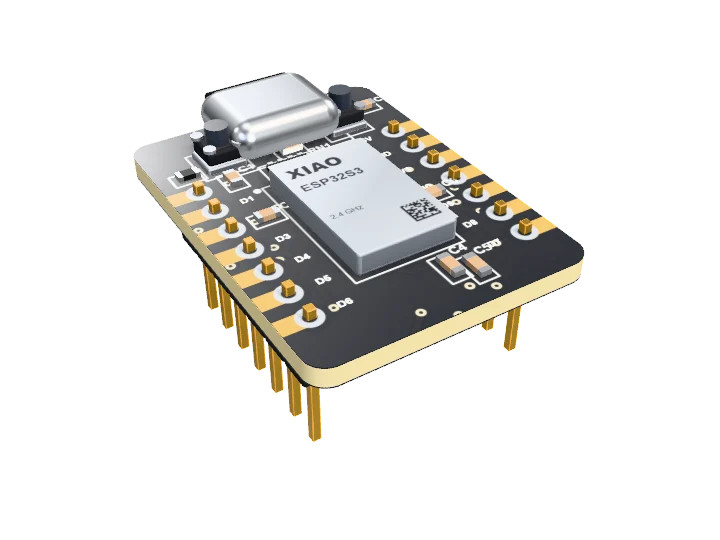
Seeed XIAO ESP32S3
ESP32-S3 · 240 MHz
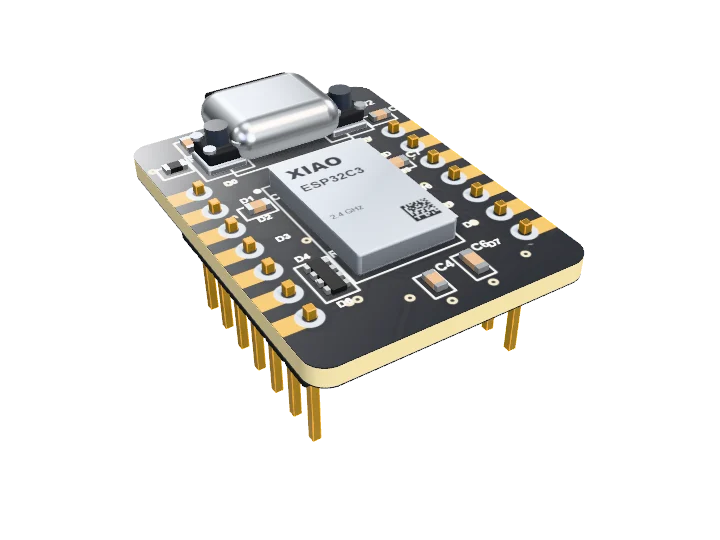
Seeed XIAO ESP32C3
ESP32-C3 · 160 MHz
And 6 more on the boards page.
Examples that run as they open
ESP-IDF: blink
ESP-IDF’s blink example as it ships: the S3’s RGB LED through led_strip, settings from sdkconfig.h.
ESP-IDF: button interrupt and a queue
An interrupt handler feeds a FreeRTOS queue; a task counts the presses and toggles GPIO2.
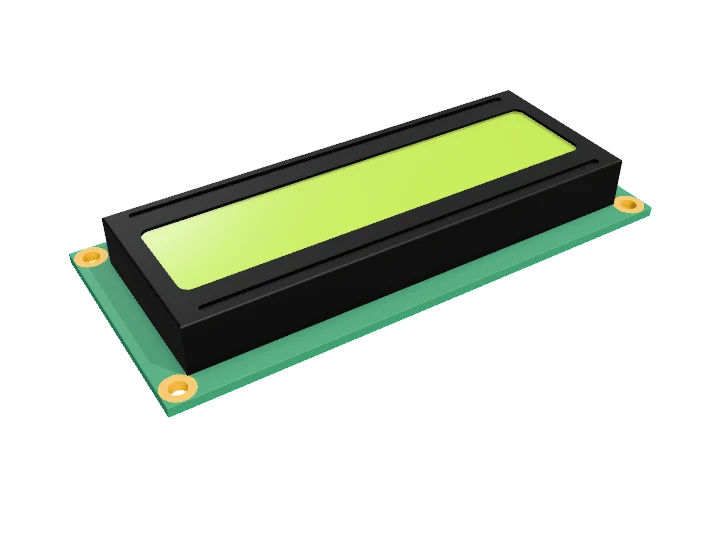
ESP-IDF: I2C LCD, two files
The I2C master driver and an LCD driver of its own (lcd1602.c, lcd1602.h) on the S3.
ESP-IDF: Wi-Fi station to the cloud
ESP-IDF’s station example on the C6, then readings to ARGYNIX Cloud and its RGB LED from Connect.
ESP-IDF: deep sleep, RTC memory, NVS
The C3 sleeps and wakes three times; RTC memory and NVS keep their counts through it.
What ESP-IDF code can use
Simulated works against the parts on the bench; partly runs with the limit noted; not simulated stops the build and says so.
| Library | What it does | In the Lab |
|---|---|---|
Tasks #include "freertos/task.h" | Tasks, delays, priorities and notifications. | Simulated |
Queues #include "freertos/queue.h" | Queues between tasks and from interrupts. | Simulated |
Semaphores and mutexes #include "freertos/semphr.h" | Binary and counting semaphores, mutexes. | Simulated |
Event groups #include "freertos/event_groups.h" | Bits that tasks wait on. | Simulated |
Software timers #include "freertos/timers.h" | One-shot and periodic timers on the timer task. | Simulated |
Logging #include "esp_log.h" | ESP_LOGI and the rest, with the tick time and tag, to the Serial tab. | Simulated |
Errors and checks #include "esp_check.h" | esp_err_t, ESP_ERROR_CHECK (it stops the program, as on the chip). | Simulated |
System #include "esp_system.h" | esp_restart, the reset reason, free heap. | Simulated |
Chip information #include "esp_chip_info.h" | The chip, its cores and features; esp_flash, esp_mac and esp_random beside it. | Simulated |
High-resolution timer #include "esp_timer.h" | esp_timer callbacks and the microsecond clock. | Simulated |
Sleep #include "esp_sleep.h" | Deep sleep (the program starts again, RTC memory kept) and light sleep, woken by a timer or a pin. | Simulated |
NVS #include "nvs_flash.h" | Key-value storage that survives restarts and deep sleep. | Simulated |
Task watchdog #include "esp_task_wdt.h" | Flags a task that hogs the core for 5 s. | Simulated |
GPIO #include "driver/gpio.h" | Pins, pulls, and interrupts through the ISR service. | Simulated |
LEDC #include "driver/ledc.h" | PWM, with hardware fades and their callback. | Simulated |
ADC oneshot #include "esp_adc/adc_oneshot.h" | Readings with each attenuation’s range, and calibration to millivolts. | Simulated |
I2C master #include "driver/i2c_master.h" | The I2C master driver (v5.2 and later), to the bench’s I2C parts. | Simulated |
General-purpose timer #include "driver/gptimer.h" | Counters with alarms and their callbacks. | Simulated |
UART #include "driver/uart.h" | UART reads and writes. | Partly |
TWAI (CAN) #include "driver/twai.h" | The ESP32’s own CAN controller, through a transceiver on the bench (SN65HVD230): to MCP2515 modules and other ESP32s. | Simulated |
ESP-NOW #include "esp_now.h" | Frames between the bench’s ESP32 boards: peers, to a MAC or to all, the callbacks. | Simulated |
LED strip #include "led_strip.h" | The board’s RGB LED and NeoPixels, as the led_strip component drives them. | Simulated |
Wi-Fi #include "esp_wifi.h" | Station mode: scan, connect, an IP, with esp_event and esp_netif. | Partly |
ARGYNIX Cloud #include "argynix_cloud.h" | Readings to ARGYNIX Cloud and commands back, with Live in Cloud. | Simulated |
SPI master and slave #include "driver/spi_master.h" | The build stops at its #include and says it is not simulated. | Not simulated |
RMT #include "driver/rmt_tx.h" | The build stops at its #include and says it is not simulated. | Not simulated |
I2S #include "driver/i2s_std.h" | The build stops at its #include and says it is not simulated. | Not simulated |
Touch pads #include "driver/touch_pad.h" | The build stops at its #include and says it is not simulated. | Not simulated |
MCPWM #include "driver/mcpwm_prelude.h" | The build stops at its #include and says it is not simulated. | Not simulated |
Pulse counter #include "driver/pulse_cnt.h" | The build stops at its #include and says it is not simulated. | Not simulated |
HTTP client and server #include "esp_http_client.h" | The build stops at its #include and says it is not simulated. | Not simulated |
OTA updates #include "esp_https_ota.h" | The build stops at its #include and says it is not simulated. | Not simulated |
MQTT #include "mqtt_client.h" | The build stops at its #include and says it is not simulated. | Not simulated |
Sockets (lwIP) #include "lwip/sockets.h" | The build stops at its #include and says it is not simulated. | Not simulated |
Bluetooth and NimBLE #include "esp_bt.h" | The build stops at its #include and says it is not simulated. | Not simulated |
SPIFFS and FAT #include "esp_spiffs.h" | The build stops at its #include and says it is not simulated. | Not simulated |
Questions
Which ESP-IDF components does the simulator support?
FreeRTOS (tasks, queues, semaphores, event groups, timers), logging, esp_err and checks, esp_system, the high-resolution timer, sleep, NVS, the task watchdog, GPIO, LEDC, ADC oneshot, I2C master, the general-purpose timer and the LED strip are simulated; UART and Wi-Fi in part. SPI, RMT, I2S, TWAI, Bluetooth, MQTT and HTTP are not simulated yet, and the build says so.
Do I need ESP-IDF installed?
No. The project builds on the Lab’s build service and runs in your browser; nothing is installed on your computer.
Is Argynix Lab free?
Yes. Every board, part and example is free to use, without an account; your projects stay in your browser. A free ARGYNIX account keeps up to 10 projects in the cloud. The Pro and Team plans add more projects and saved versions, private sharing and priority builds.
Can I flash a real board from the browser?
Yes. With Chrome or Edge on a computer, the Lab writes the program to a real Arduino, ESP32, STM32 or Raspberry Pi Pico over USB (Web Serial), or saves a UF2 file for the Pico.
Is Argynix Lab an alternative to Wokwi or Tinkercad Circuits?
Yes, it is in the same family: it simulates microcontroller projects in the browser. What the Lab brings: Arduino, ESP-IDF, STM32 HAL and MicroPython projects in one place, exact AVR and RP2040 chips, a 3D bench, flashing a real board from the browser, and a running project that sends readings to ARGYNIX Cloud.