Potentiometer
Potentiometer: An analog voltage for analogRead(). In Argynix Lab it is fully simulated: wire it to an Arduino, ESP32, STM32 or Raspberry Pi Pico in your browser and run your code against it.
You handle it while the program runs: press, turn or set it on the bench.
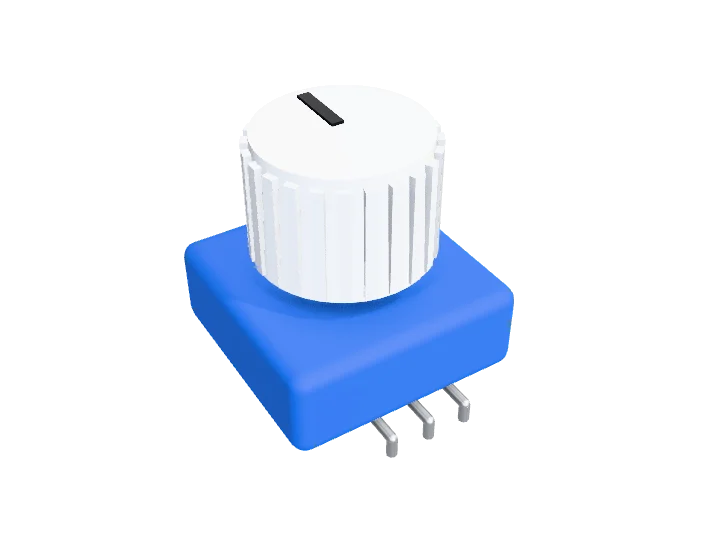
Pins
- GND
- Wiper
- VCC
Examples with the Potentiometer
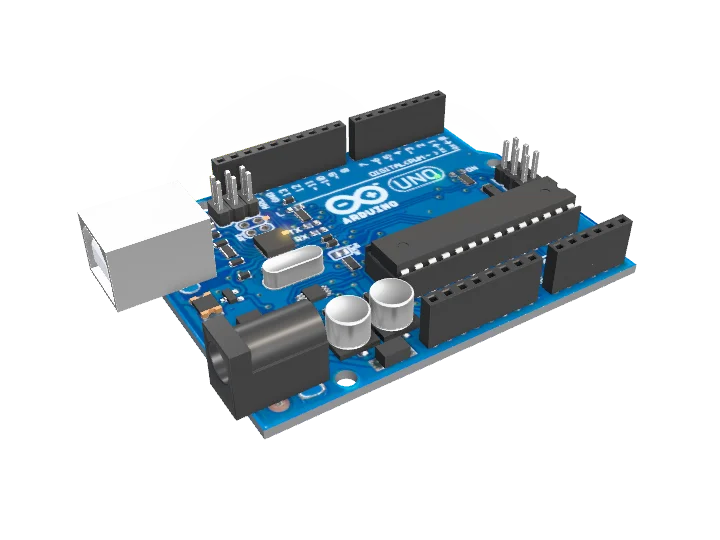
Knob to Plotter
Turn the potentiometer; analogRead() follows it. Open the Plotter.
Two Unos over I2C
Board 1 is the I2C controller (Wire.begin()), board 2 a target at address 8 (Wire.begin(8)). Board 1 sends its knob ten times a second; board 2 sets its LED to it and answers how many it has had.
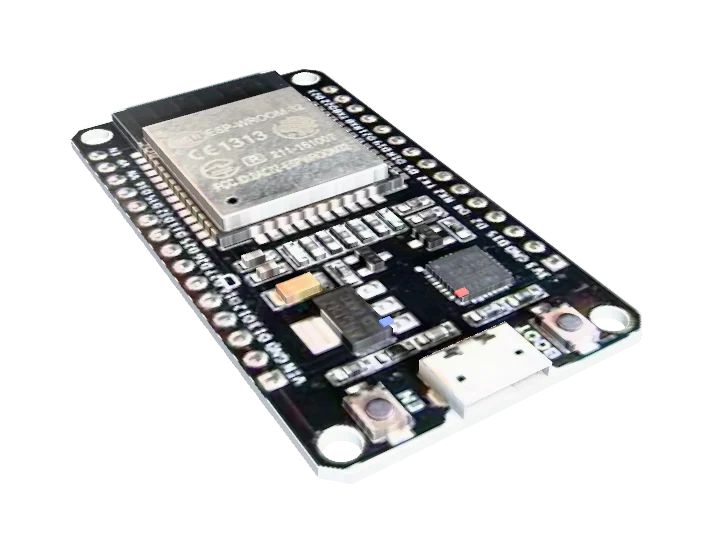
Two ESP32s over Bluetooth LE
ESP32 1 is a BLE server with a knob, notified to whoever subscribes; ESP32 2 scans for its service, connects, subscribes, and dims its LED to the knob. The bench’s phone can connect to ESP32 1 too.
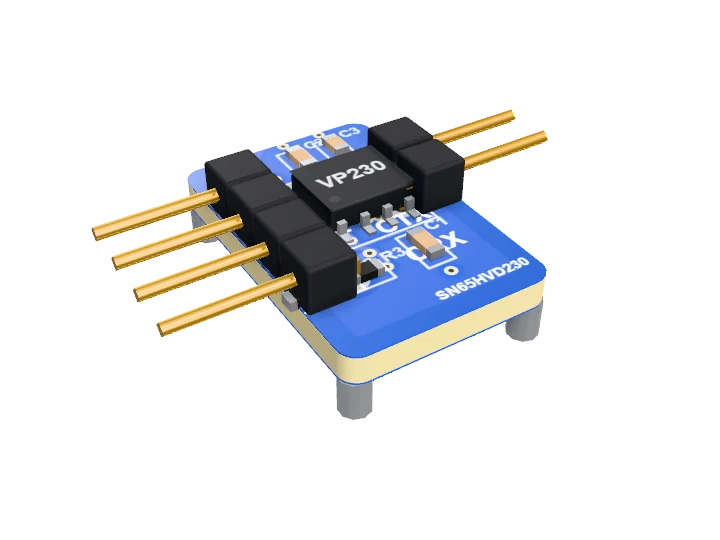
ESP32 TWAI and Uno MCP2515 on CAN
The ESP32’s own CAN controller (TWAI, driver/twai.h) through an SN65HVD230 transceiver, and an Uno with an MCP2515, on one pair at 500 kbit/s. The ESP32 sends its knob; the Uno dims its LED to it and answers how many it has had.
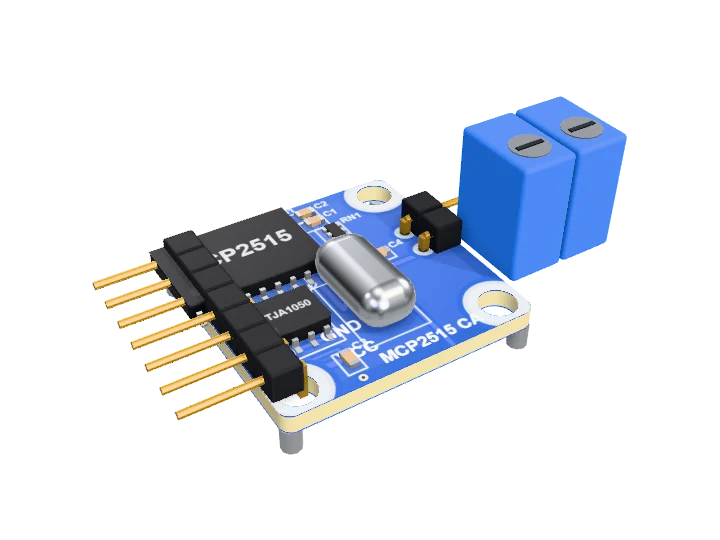
Two Unos on a CAN bus
Each Uno has an MCP2515 CAN module (mcp_can); their CANH and CANL are one pair. Board 1 sends a count and its knob every half second; board 2 prints each frame and lights its LED when the knob is past half way.
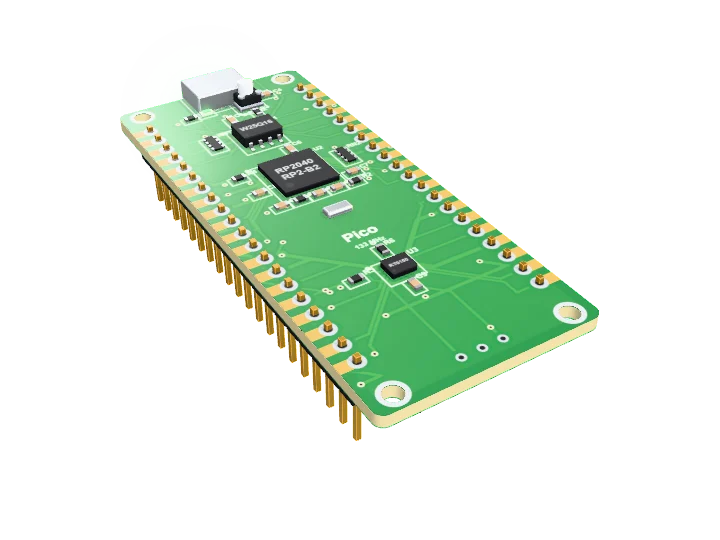
Pico: blink and breathe
The Pico’s own LED blinks, an LED on GP15 breathes with PWM, the knob on GP26 sets the pace.
More input
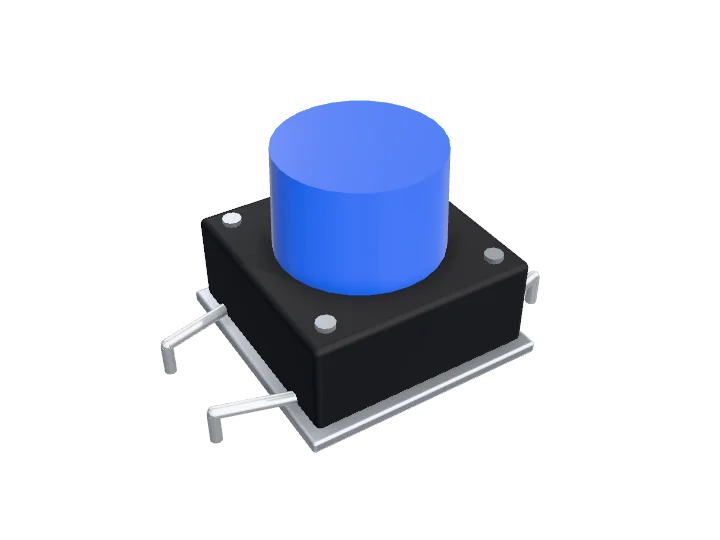 Push buttonHold to close; INPUT_PULLUP ready
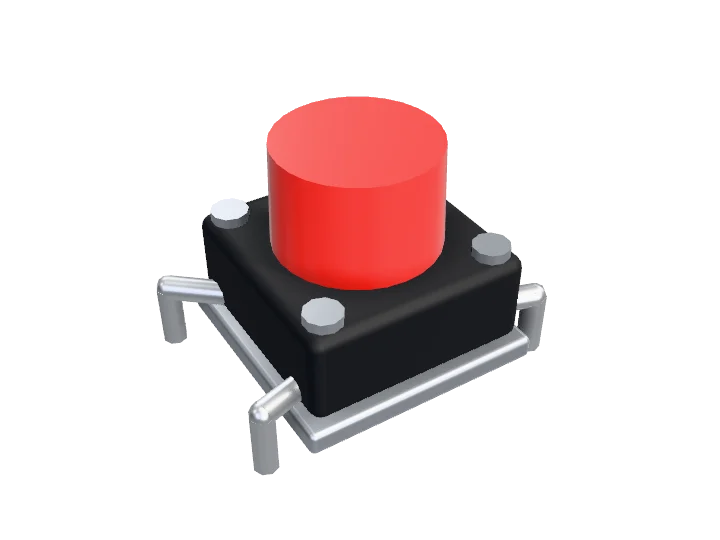 Small button6 mm tactile switch
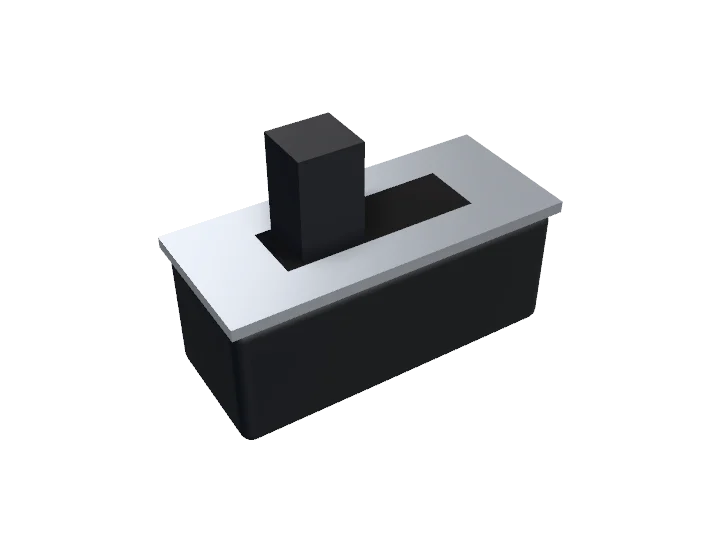 Slide switchJoins 2 to 1 or to 3
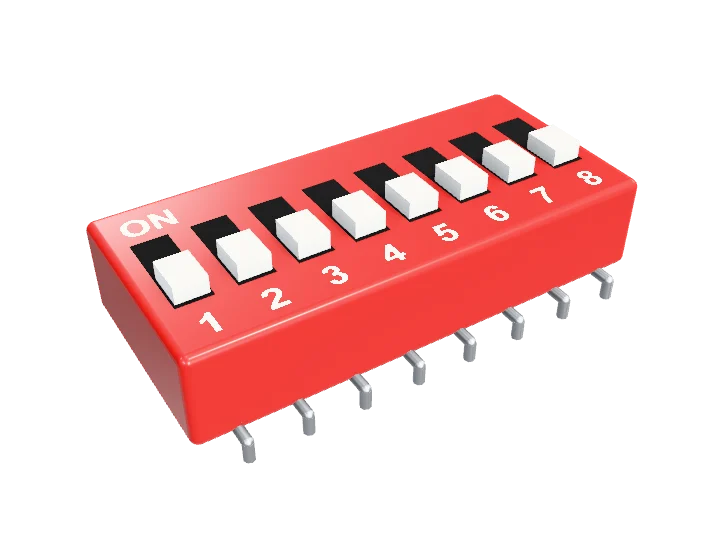 DIP switchEight switches in a row
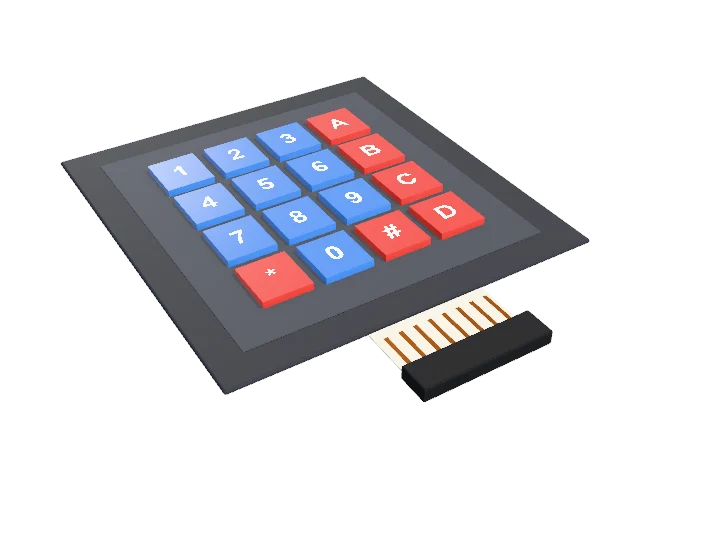 Keypad 4x4Rows and columns, for the Keypad library
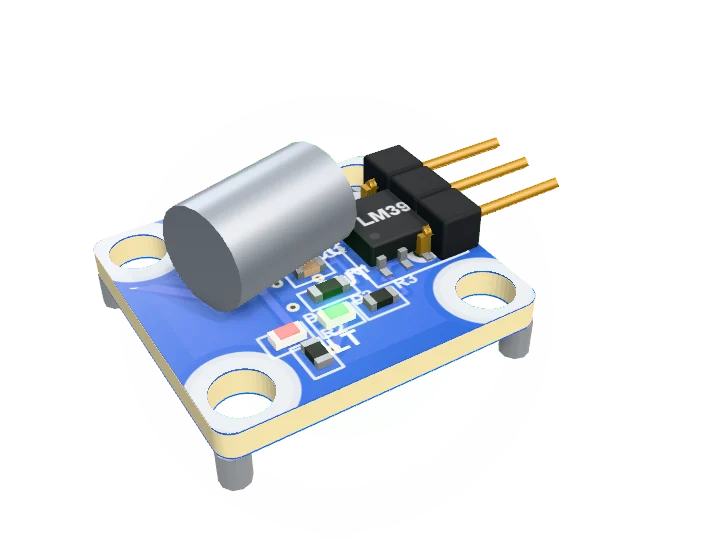 Tilt switchOUT goes HIGH when tilted
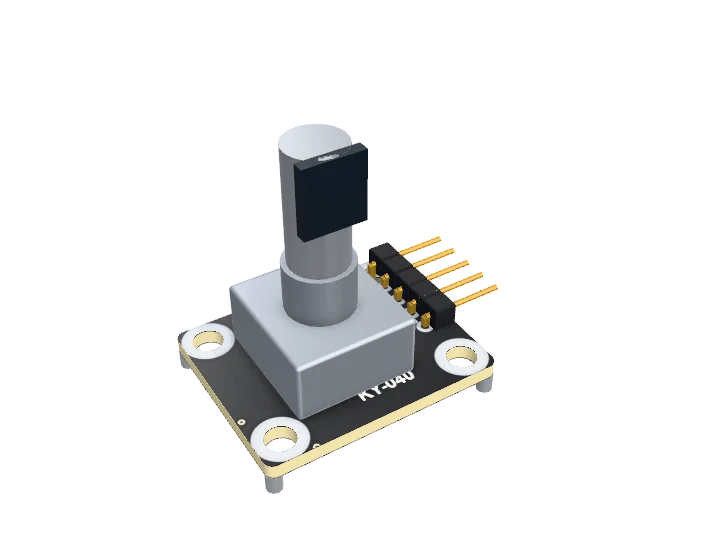 Rotary encoderKY-040: quadrature and a press
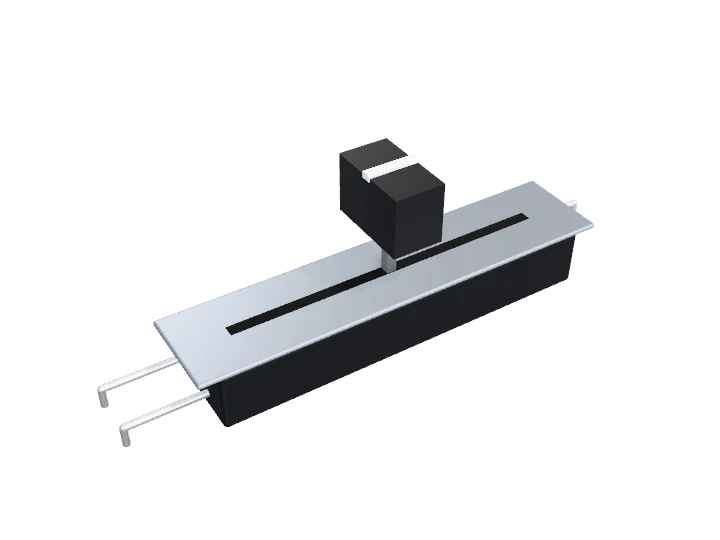 Slide potentiometerA fader for analogRead()